August 25, 2026

What Is a Veterinary PIMS? A Plain-English Guide for Clinic Teams

A veterinary PIMS, short for practice information management system, is the software a clinic runs its entire day on: appointments, medical records, invoices, inventory, reminders and reporting live in one system instead of five. If the PIMS is good, the team barely notices it. If it is bad, everyone feels it every hour.

The term sounds technical, but the idea is simple. Think of pims veterinary software as the operating system of the practice. Every patient visit touches it at least four times: booking, check-in, the medical record, and payment. That is why choosing one is a bigger decision than any single piece of equipment in the building.

What does a PIMS actually do all day?

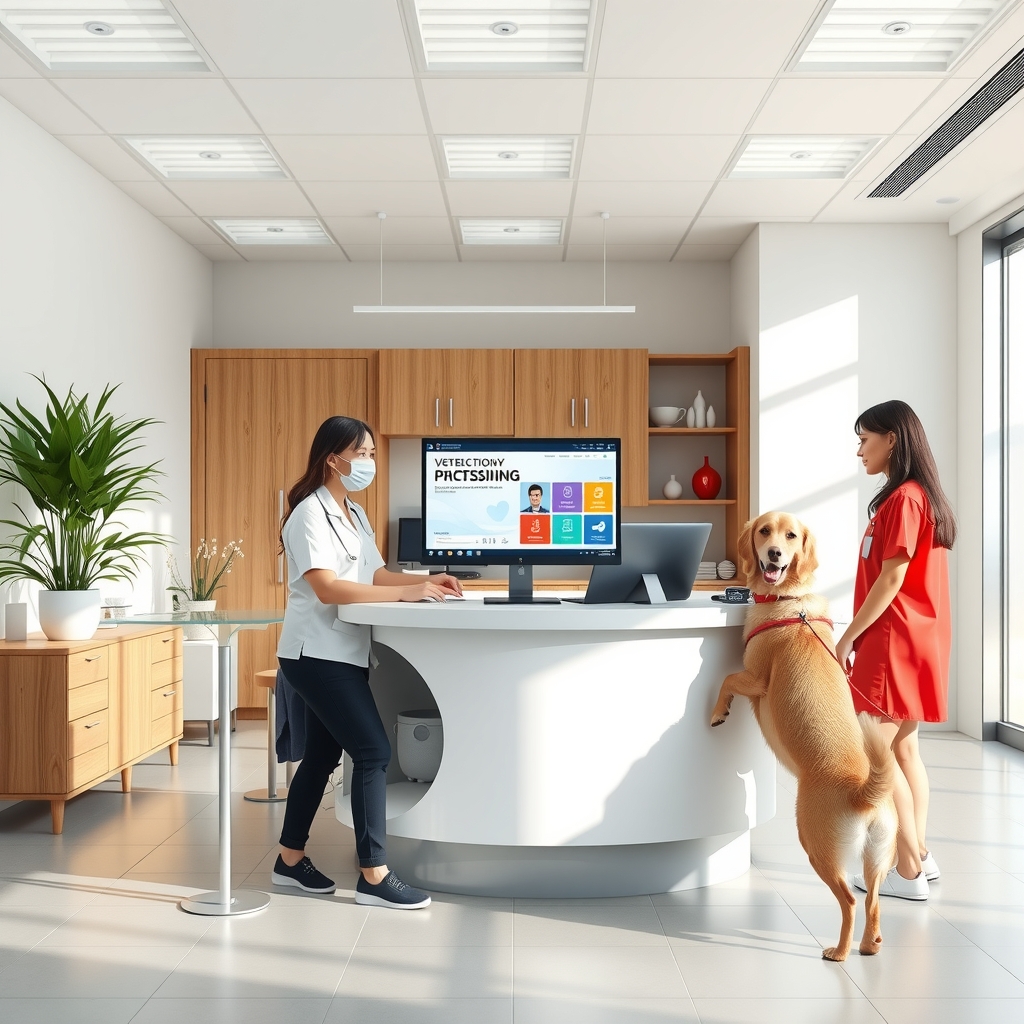
Start at the front desk. The scheduler shows every doctor's day, sends automatic reminders, and checks patients in. In the exam room, the veterinarian writes or dictates a SOAP note, attaches lab results and images, and prescribes from an inventory that decrements itself. At checkout, the visit becomes an invoice with nothing forgotten, and the client pays by card, link or portal. Behind the scenes, the system tracks stock levels, flags controlled drugs, and rolls everything into reports the owner reads at month end.

Modern systems add a layer that older ones never had: artificial intelligence. Voice tools turn the exam room conversation into a structured note, and assistants help build differential lists or draft client messages. You can see how that looks in practice on our features page and in Coggo Voice, which writes SOAP notes from speech.

How is a PIMS different from an EMR or EHR?

An EMR or EHR is only the medical record. A PIMS contains a medical record plus the business around it. Some large hospitals run a separate EMR with billing bolted on, but for the vast majority of practices one integrated system is simpler, cheaper and safer, because data never has to be copied between tools. If you want the deeper comparison, we cover it in our guide to veterinary EMR vs EHR vs PIMS.

What separates a good PIMS from a bad one?

Three things show up in every clinic conversation we have. First, speed of daily tasks: booking a recheck or finishing a note should take seconds, not clicks. Second, access: cloud systems let the team work from any device, at home or in the field, with backups handled for them. Third, support: when the system that runs your whole practice has a problem at 7 pm on a Saturday, someone must answer. That is why we treat 24/7 support as a core feature rather than an extra.

Who uses the PIMS day to day?

Everyone, which is why the whole team should see it before you buy. Receptionists live in the scheduler and messaging, so booking speed and a clean day view matter most to them. Technicians work the treatment areas and inventory, and they feel every extra click in a busy afternoon. Veterinarians live in the record, so note speed decides whether they leave on time. Practice managers live in reporting, payroll hours and end of day reconciliation. Owners look at production, revenue and growth trends. A system that delights one role and frustrates another will be fought about forever, so bring one person from each role to the demo and let them drive their own part of the workflow before anyone signs anything.

The market has moved decisively to the cloud, and the newest generation builds AI into the core workflow rather than selling it as an add-on. If you are evaluating systems this year, write down the five tasks your team repeats most and ask every vendor to perform them live. Ten minutes of honest demonstration tells you more than any brochure. When you are ready to see a modern AI-first PIMS handle your own scenarios, schedule a demo and bring your hardest cases.

Frequently Asked Questions

What does PIMS stand for in veterinary medicine?
PIMS stands for practice information management system. It is the central software a veterinary clinic runs on, covering appointments, medical records, invoicing, inventory and client communication in one platform.
Is a PIMS the same as an EMR?
Not exactly. An EMR handles only the medical record. A PIMS includes the medical record plus everything else the business needs: scheduling, billing, inventory, reporting and client messaging. Most modern clinics buy one PIMS rather than separate tools.
How much does a PIMS cost?
Most cloud systems fall between one hundred and several hundred dollars per month depending on how the vendor prices. Some charge per user or per veterinarian, others a per-practice rate. Always model your real team size before comparing.
Do small clinics really need a PIMS?
Yes. Even a single-doctor practice handles thousands of records, reminders and invoices a year. A PIMS removes the double entry, prevents missed charges and keeps records legally defensible, which spreadsheets and paper cannot.
glare bg
August 25, 2026

What Is a Veterinary PIMS? A Plain-English Guide for Clinic Teams

A veterinary PIMS, short for practice information management system, is the software a clinic runs its entire day on: appointments, medical records, invoices, inventory, reminders and reporting live in one system instead of five. If the PIMS is good, the team barely notices it. If it is bad, everyone feels it every hour.

The term sounds technical, but the idea is simple. Think of pims veterinary software as the operating system of the practice. Every patient visit touches it at least four times: booking, check-in, the medical record, and payment. That is why choosing one is a bigger decision than any single piece of equipment in the building.

What does a PIMS actually do all day?

Start at the front desk. The scheduler shows every doctor's day, sends automatic reminders, and checks patients in. In the exam room, the veterinarian writes or dictates a SOAP note, attaches lab results and images, and prescribes from an inventory that decrements itself. At checkout, the visit becomes an invoice with nothing forgotten, and the client pays by card, link or portal. Behind the scenes, the system tracks stock levels, flags controlled drugs, and rolls everything into reports the owner reads at month end.

Modern systems add a layer that older ones never had: artificial intelligence. Voice tools turn the exam room conversation into a structured note, and assistants help build differential lists or draft client messages. You can see how that looks in practice on our features page and in Coggo Voice, which writes SOAP notes from speech.

How is a PIMS different from an EMR or EHR?

An EMR or EHR is only the medical record. A PIMS contains a medical record plus the business around it. Some large hospitals run a separate EMR with billing bolted on, but for the vast majority of practices one integrated system is simpler, cheaper and safer, because data never has to be copied between tools. If you want the deeper comparison, we cover it in our guide to veterinary EMR vs EHR vs PIMS.

What separates a good PIMS from a bad one?

Three things show up in every clinic conversation we have. First, speed of daily tasks: booking a recheck or finishing a note should take seconds, not clicks. Second, access: cloud systems let the team work from any device, at home or in the field, with backups handled for them. Third, support: when the system that runs your whole practice has a problem at 7 pm on a Saturday, someone must answer. That is why we treat 24/7 support as a core feature rather than an extra.

Who uses the PIMS day to day?

Everyone, which is why the whole team should see it before you buy. Receptionists live in the scheduler and messaging, so booking speed and a clean day view matter most to them. Technicians work the treatment areas and inventory, and they feel every extra click in a busy afternoon. Veterinarians live in the record, so note speed decides whether they leave on time. Practice managers live in reporting, payroll hours and end of day reconciliation. Owners look at production, revenue and growth trends. A system that delights one role and frustrates another will be fought about forever, so bring one person from each role to the demo and let them drive their own part of the workflow before anyone signs anything.

The market has moved decisively to the cloud, and the newest generation builds AI into the core workflow rather than selling it as an add-on. If you are evaluating systems this year, write down the five tasks your team repeats most and ask every vendor to perform them live. Ten minutes of honest demonstration tells you more than any brochure. When you are ready to see a modern AI-first PIMS handle your own scenarios, schedule a demo and bring your hardest cases.

Frequently Asked Questions

What does PIMS stand for in veterinary medicine?
PIMS stands for practice information management system. It is the central software a veterinary clinic runs on, covering appointments, medical records, invoicing, inventory and client communication in one platform.
Is a PIMS the same as an EMR?
Not exactly. An EMR handles only the medical record. A PIMS includes the medical record plus everything else the business needs: scheduling, billing, inventory, reporting and client messaging. Most modern clinics buy one PIMS rather than separate tools.
How much does a PIMS cost?
Most cloud systems fall between one hundred and several hundred dollars per month depending on how the vendor prices. Some charge per user or per veterinarian, others a per-practice rate. Always model your real team size before comparing.
Do small clinics really need a PIMS?
Yes. Even a single-doctor practice handles thousands of records, reminders and invoices a year. A PIMS removes the double entry, prevents missed charges and keeps records legally defensible, which spreadsheets and paper cannot.
Get Started with Woovet AI-Powered
Vet Practice Management

Join the hundreds of vets already using Woovet to cut admin time and focus on what really matters.