August 28, 2026

Choosing Software for a Specialty or Referral Veterinary Practice

Specialty veterinary practice software has one job general practice systems rarely handle well: running long, complex, multi-clinician cases that arrive by referral and must be reported back to the referring vet. If your hospital lives on referrals, evaluate software on referral workflow, treatment sheets, imaging and case communication first, and only then look at the features every platform shares.

Plenty of referral hospitals run on systems designed for vaccine visits, and the workarounds pile up quietly: histories emailed as PDFs, treatment sheets on paper, rDVM updates by phone. Each is small; together they consume a staff member. Here is what to demand instead.

What does a real referral workflow look like in software?

Follow one case end to end. The referring clinic submits the patient with history and imaging attached, ideally through a portal rather than a fax. Your team triages, schedules the consult and confirms to both the client and the rDVM automatically. During the case, every report, image and discharge summary files against the referral, and when the patient goes home the referring vet receives the summary without anyone remembering to send it. That last automatic step is where relationships with referrers are won. Ask every vendor to demonstrate the rDVM communication loop specifically, because it is the piece most systems fake with manual email.

Why are treatment sheets the heart of hospitalized care?

For any patient staying past a consult, the treatment sheet is the real medical record. Digital sheets schedule medications, fluids, checks and feeding by hour, alert the floor when something is overdue, and stamp every completed task with the person and time. Two benefits follow. Patient safety improves because missed treatments become visible immediately. And revenue improves because everything administered flows to the invoice, where paper sheets historically leak charges on exactly the expensive overnight items. If your hospital runs an ICU or overnight ward on paper today, this single feature usually justifies the entire platform change.

What else separates specialty-grade platforms?

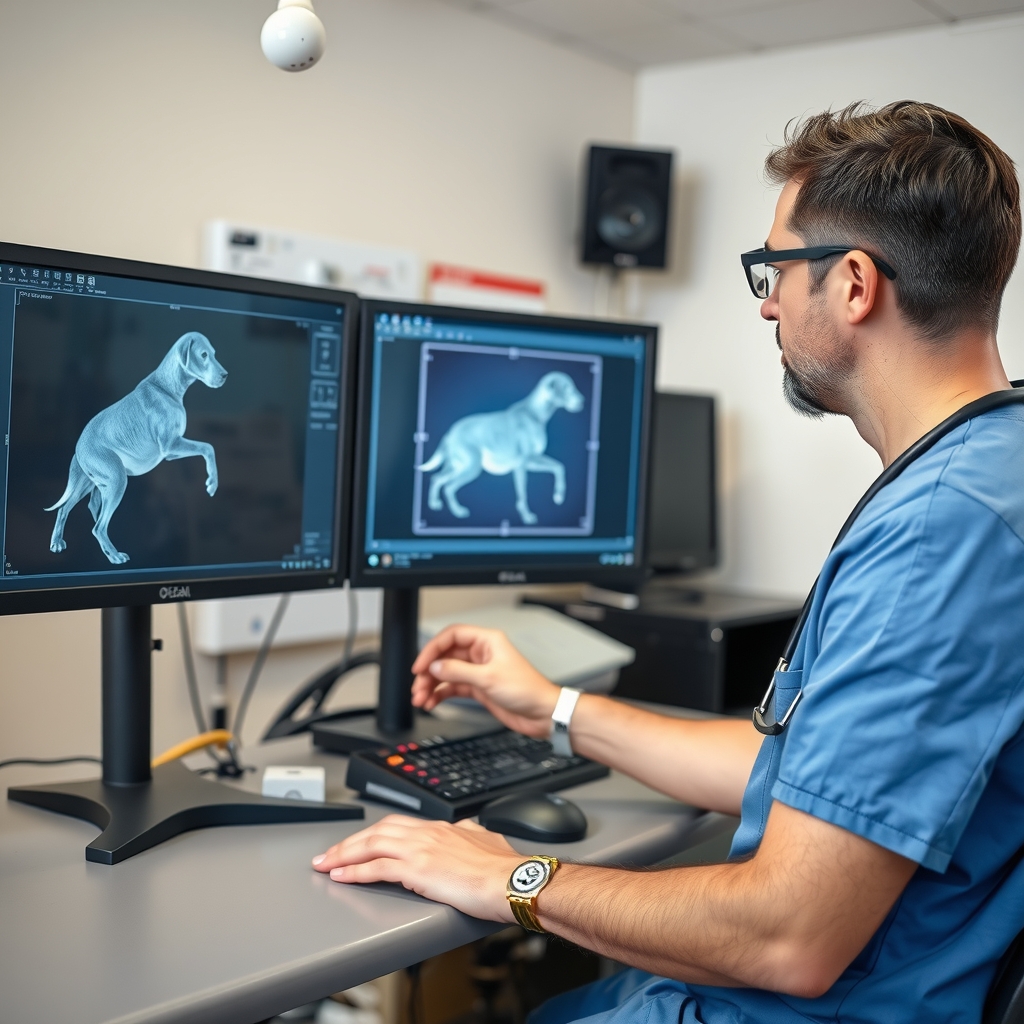
Imaging integration matters more in referral medicine than anywhere else, so apply the checks from our imaging software guide: worklist support, browser viewing and studies filed to the record automatically. Records need to handle many authors cleanly, with each clinician's entries attributed and locked. Reporting should split production by doctor and department. And AI documentation support earns its keep fastest in specialty medicine, where a single consult note can run pages; drafting it from the room conversation with a tool like Coggo Voice returns real hours to specialists. The wider platform questions in our cloud evaluation checklist still apply on top.

How should a referral hospital run the evaluation?

Differently from a general practice, because your risks are different. Involve the ICU lead and your busiest specialist, not just administration, and insist the demo uses one of your own recent cases end to end: referral in, imaging attached, three days of treatment sheets, discharge summary out to the rDVM. Ask how the platform behaves at your caseload, not the average clinic's, and get uptime history in writing because an ER cannot close for maintenance windows. Finally, talk to a reference hospital of similar complexity and ask what broke in their first ninety days. Every platform has a first ninety days; the vendors worth choosing are the ones who describe theirs honestly and show what they changed.

Specialty hospitals change software rarely, so the bar for switching feels high. But the compounding cost of workarounds is higher. If referrals, treatment sheets or rDVM communication run on manual effort today, book a demo and bring one real complex case; watching it flow end to end is the fastest evaluation you can run.

Frequently Asked Questions

How is specialty practice software different from general practice software?
Specialty and referral hospitals live on inbound referrals, complex multi-day cases and communication back to the primary vet. They need referral tracking, detailed treatment sheets, imaging integration and records built for many clinicians touching one case.
Do referral hospitals need a referral portal?
It helps enormously. A portal lets referring vets submit cases, upload histories and see status updates without phone calls. Every update that reaches the rDVM automatically is a phone call the front desk never makes.
Can one platform serve both an ER and a specialty department?
Yes, if it supports department-level scheduling, triage boards and treatment sheets alongside appointment-based specialty consults. Test both workflows in the same demo rather than assuming.
What should treatment sheets do digitally?
A digital treatment sheet schedules medications and checks per patient per hour, alerts when tasks are missed, records who did what and feeds charges straight to the invoice so overnight care is billed completely.
glare bg
August 28, 2026

Choosing Software for a Specialty or Referral Veterinary Practice

Specialty veterinary practice software has one job general practice systems rarely handle well: running long, complex, multi-clinician cases that arrive by referral and must be reported back to the referring vet. If your hospital lives on referrals, evaluate software on referral workflow, treatment sheets, imaging and case communication first, and only then look at the features every platform shares.

Plenty of referral hospitals run on systems designed for vaccine visits, and the workarounds pile up quietly: histories emailed as PDFs, treatment sheets on paper, rDVM updates by phone. Each is small; together they consume a staff member. Here is what to demand instead.

What does a real referral workflow look like in software?

Follow one case end to end. The referring clinic submits the patient with history and imaging attached, ideally through a portal rather than a fax. Your team triages, schedules the consult and confirms to both the client and the rDVM automatically. During the case, every report, image and discharge summary files against the referral, and when the patient goes home the referring vet receives the summary without anyone remembering to send it. That last automatic step is where relationships with referrers are won. Ask every vendor to demonstrate the rDVM communication loop specifically, because it is the piece most systems fake with manual email.

Why are treatment sheets the heart of hospitalized care?

For any patient staying past a consult, the treatment sheet is the real medical record. Digital sheets schedule medications, fluids, checks and feeding by hour, alert the floor when something is overdue, and stamp every completed task with the person and time. Two benefits follow. Patient safety improves because missed treatments become visible immediately. And revenue improves because everything administered flows to the invoice, where paper sheets historically leak charges on exactly the expensive overnight items. If your hospital runs an ICU or overnight ward on paper today, this single feature usually justifies the entire platform change.

What else separates specialty-grade platforms?

Imaging integration matters more in referral medicine than anywhere else, so apply the checks from our imaging software guide: worklist support, browser viewing and studies filed to the record automatically. Records need to handle many authors cleanly, with each clinician's entries attributed and locked. Reporting should split production by doctor and department. And AI documentation support earns its keep fastest in specialty medicine, where a single consult note can run pages; drafting it from the room conversation with a tool like Coggo Voice returns real hours to specialists. The wider platform questions in our cloud evaluation checklist still apply on top.

How should a referral hospital run the evaluation?

Differently from a general practice, because your risks are different. Involve the ICU lead and your busiest specialist, not just administration, and insist the demo uses one of your own recent cases end to end: referral in, imaging attached, three days of treatment sheets, discharge summary out to the rDVM. Ask how the platform behaves at your caseload, not the average clinic's, and get uptime history in writing because an ER cannot close for maintenance windows. Finally, talk to a reference hospital of similar complexity and ask what broke in their first ninety days. Every platform has a first ninety days; the vendors worth choosing are the ones who describe theirs honestly and show what they changed.

Specialty hospitals change software rarely, so the bar for switching feels high. But the compounding cost of workarounds is higher. If referrals, treatment sheets or rDVM communication run on manual effort today, book a demo and bring one real complex case; watching it flow end to end is the fastest evaluation you can run.

Frequently Asked Questions

How is specialty practice software different from general practice software?
Specialty and referral hospitals live on inbound referrals, complex multi-day cases and communication back to the primary vet. They need referral tracking, detailed treatment sheets, imaging integration and records built for many clinicians touching one case.
Do referral hospitals need a referral portal?
It helps enormously. A portal lets referring vets submit cases, upload histories and see status updates without phone calls. Every update that reaches the rDVM automatically is a phone call the front desk never makes.
Can one platform serve both an ER and a specialty department?
Yes, if it supports department-level scheduling, triage boards and treatment sheets alongside appointment-based specialty consults. Test both workflows in the same demo rather than assuming.
What should treatment sheets do digitally?
A digital treatment sheet schedules medications and checks per patient per hour, alerts when tasks are missed, records who did what and feeds charges straight to the invoice so overnight care is billed completely.
Get Started with Woovet AI-Powered
Vet Practice Management

Join the hundreds of vets already using Woovet to cut admin time and focus on what really matters.